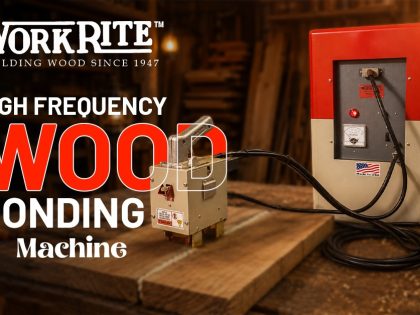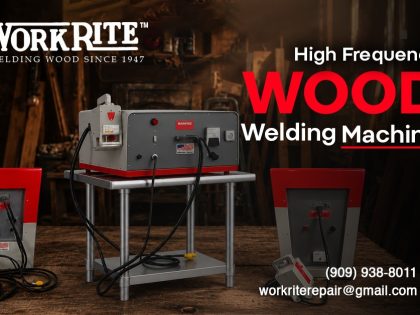
High Frequency Wood Bonding Machine for Faster Wood Production
-
admin
- Posted on
- 0 comments
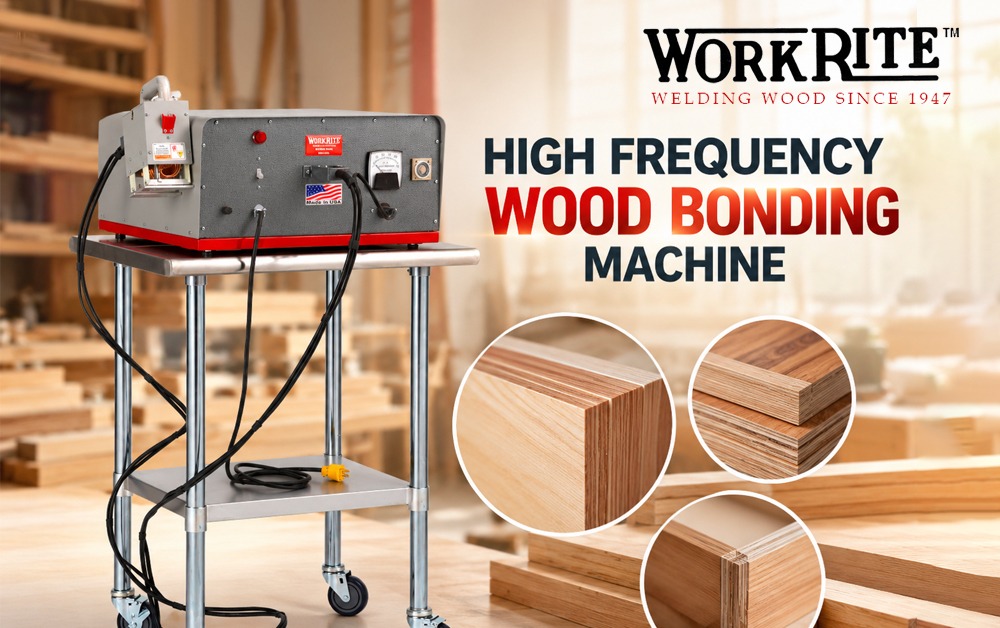
High frequency wood bonding machine is an advanced industrial solution designed to accelerate wood adhesive curing, improve bonding efficiency, and increase productivity in woodworking manufacturing. For furniture manufacturers, cabinet makers, wooden door producers, and industrial woodworking facilities, long adhesive curing times can slow production, occupy valuable clamping equipment, and increase the time required to complete assembled components. High-frequency wood bonding technology helps address these challenges by using radio-frequency energy to generate heat within suitable adhesive bond lines, allowing compatible adhesives to set more quickly under controlled conditions.
WorkRite Wood Welder provides high-frequency wood welding equipment designed to help woodworking businesses improve production efficiency and reduce delays associated with conventional glue curing. By incorporating RF wood bonding technology into the manufacturing process, businesses can reduce the time certain glued assemblies spend in clamps, improve workflow organization, and move components through production more efficiently. Selecting the right machine depends on the type of wood products being manufactured, adhesive compatibility, joint design, and daily production requirements.
For manufacturers looking to improve operational performance without compromising bonding quality, a high frequency wood bonding machine offers a practical technology to evaluate. With suitable materials, correct machine settings, and consistent operating procedures, RF bonding can support faster assembly cycles and more reliable manufacturing processes.
What Is a High Frequency Wood Bonding Machine?
A high frequency wood bonding machine is specialized woodworking equipment that uses radio-frequency energy to accelerate the setting or curing of compatible adhesives between wooden components. The technology is commonly associated with RF wood welding, high-frequency glue curing, and industrial wood bonding because it focuses energy on the adhesive joint rather than relying exclusively on conventional ambient curing.
Unlike traditional woodworking methods that may require assemblies to remain clamped for extended periods, a high-frequency wood bonding system generates heat within suitable adhesive bond lines through dielectric heating. This process can accelerate adhesive setting and reduce the waiting time required before a component can be handled, provided the adhesive has reached the necessary strength.
WorkRite Wood Welder’s equipment operates at a radio frequency of 27.12 MHz. This technology is designed for applications where adhesive curing time affects production speed, equipment availability, and manufacturing efficiency. The machine works alongside appropriate adhesive application and mechanical pressure to help establish strong, dependable wood joints.
It is important to understand that wood bonding equipment does not weld the wood itself like metal welding equipment. Instead, it accelerates the adhesive-bonding process. Actual results depend on the adhesive formulation, wood moisture content, component thickness, joint configuration, applied pressure, and machine operating conditions.
How Does a High Frequency Wood Bonding Machine Work?
Understanding the working process of a high frequency wood bonding machine helps manufacturers identify suitable applications and establish consistent production procedures. The process combines accurate surface preparation, adhesive application, component alignment, RF energy application, and appropriate post-cycle handling.
Wood Surface Preparation
The first step is to prepare the wooden components for bonding. The surfaces must fit together correctly and be free from excessive dust, contamination, or other conditions that may interfere with adhesive contact. Uneven surfaces or inaccurate component dimensions can create gaps that reduce joint strength and affect the finished product.
Proper preparation is particularly important for industrial woodworking operations where multiple components must meet consistent dimensional and quality requirements. Manufacturers should also monitor wood moisture content because material conditions can influence RF heating and adhesive performance.
Adhesive Application
After preparing the surfaces, the operator applies an adhesive that is compatible with the intended RF bonding process. Suitable water-based wood adhesives are commonly used in these applications, although compatibility must be confirmed for the specific adhesive formulation.
Consistent adhesive coverage helps establish a uniform bond line between the wooden components. Applying too little adhesive may result in incomplete bonding, while excessive application can create squeeze-out and unnecessary cleaning work. Following the adhesive manufacturer’s recommendations helps maintain repeatable results and minimize avoidable production defects.
Component Alignment and Pressure
The wooden components are positioned accurately and held together under suitable pressure. Proper alignment ensures that the parts maintain their intended dimensions while the adhesive sets. The pressure must be appropriate for the wood material, joint design, and adhesive requirements.
A high frequency wood bonding machine combines the RF cycle with the required mechanical holding arrangement to support the bonding process. Consistent positioning and pressure are essential for producing dependable joints across repeated production cycles.
High-Frequency Energy Application
Once the components are prepared and positioned, the machine applies radio-frequency energy to the bonding area. The alternating electrical field generates heat within suitable adhesive systems through dielectric heating, helping accelerate the setting process.
Because the heat is generated within the bond line, RF technology can reduce reliance on heat transfer from an external surface. This can make adhesive curing considerably faster in appropriate applications. The machine’s cycle settings must be established according to the adhesive, workpiece dimensions, joint design, and manufacturer guidance.
Bond Setting and Quality Inspection
After the RF cycle, the bonded component is handled according to the adhesive’s requirements and the established production procedure. Depending on the application, the joint may become ready for handling quickly, but handling strength should not automatically be treated as full cure strength.
Manufacturers should inspect representative joints and conduct suitable strength tests when required. This confirms whether the selected process produces the required bonding performance before the machine is used for regular production.
Benefits of Using an Industrial High Frequency Wood Bonding Machine
Faster Wood Glue Curing
One of the primary advantages of a high frequency wood bonding machine is its ability to accelerate the setting of compatible wood adhesives. Traditional adhesive bonding may require components to remain clamped while the glue develops enough strength for handling. This waiting period can restrict production capacity and delay subsequent operations.
RF wood bonding technology can shorten the setting time for suitable adhesive joints, allowing manufacturers to release components from clamps sooner when the required handling strength has been reached. Faster adhesive setting can help improve production flow, reduce work-in-progress accumulation, and support more efficient scheduling.
The amount of time saved varies according to the adhesive, wood species, joint design, material thickness, and operating settings. Manufacturers should evaluate representative workpieces to establish realistic cycle times for their applications.
Improved Production Efficiency
A high frequency wood bonding machine can help manufacturers address one of the common bottlenecks in woodworking production: waiting for adhesive to set. When assemblies remain in clamps for long periods, workers may need to wait before moving components to inspection, machining, or further assembly.
By reducing adhesive-setting time in suitable applications, RF bonding can help production teams organize work more effectively. Faster movement between manufacturing stages may improve equipment utilization and allow employees to concentrate on other production tasks.
For industrial woodworking facilities managing multiple orders and repetitive assembly operations, improving the glue-curing stage can contribute to a more predictable production schedule.
Consistent Wood Bonding Quality
Reliable bonding quality is essential for manufacturers producing furniture, cabinets, doors, frames, and other wooden assemblies. Variations in adhesive coverage, pressure, surface preparation, or curing conditions can contribute to weak joints and inconsistent product performance.
When properly configured, a high frequency wood bonding machine can help standardize the adhesive-setting stage. Consistent cycle settings and repeatable operating procedures can reduce process variation and support dependable bonding results.
However, the machine alone cannot guarantee joint quality. Manufacturers must use suitable adhesives, prepare surfaces correctly, maintain appropriate pressure, and verify that the finished joints meet their required performance standards.
Reduced Clamping Time
Extended clamping periods can create challenges for businesses that depend on a limited number of clamps or assembly fixtures. Components waiting for adhesive to cure may occupy valuable equipment and restrict the number of assemblies that can be processed throughout the day.
A high-frequency wood bonding machine can reduce the time suitable assemblies need to remain clamped, helping make fixtures available for additional work. This can be particularly beneficial for repetitive woodworking applications where clamping time limits overall production capacity.
Reducing clamping time may also help improve workshop organization and reduce the space needed for assemblies waiting to move to the next production stage.
Better Utilization of Labor and Equipment
Industrial woodworking efficiency depends on how effectively labor, machinery, fixtures, and materials are coordinated. Long glue-curing periods can create interruptions even when other production resources are available.
High-frequency wood bonding equipment can help reduce these interruptions by accelerating adhesive setting in compatible applications. When production teams can move assemblies forward sooner, they may be able to coordinate workstations more effectively and reduce unnecessary handling or waiting.
The overall benefit should be assessed by measuring the complete manufacturing process, including setup, adhesive application, RF cycle time, inspection, and downstream operations.
Applications of a High Frequency Wood Bonding Machine
Furniture Manufacturing
Furniture production involves assembling wooden components that must maintain accurate alignment and dependable joint strength. Frames, rails, structural parts, and other glued assemblies may require clamping while the adhesive sets.
A high frequency wood bonding machine can help accelerate the setting of suitable adhesive joints in furniture manufacturing. Reduced waiting time can support faster assembly workflows and improve the availability of clamping equipment. Manufacturers can evaluate the technology for their specific furniture designs, materials, and production volumes.
Cabinet Manufacturing
Cabinet manufacturers often work with repeated components that require accurate assembly and consistent dimensions. Cabinet frames, doors, drawer components, and other wooden parts must remain properly positioned during bonding to achieve the intended fit and finish.
RF wood bonding technology can help reduce adhesive-setting time in compatible cabinet applications. This may allow production teams to move suitable assemblies through the manufacturing process sooner and make better use of assembly fixtures. Proper adhesive selection and accurate alignment remain essential for dependable results.
Wooden Door and Window Production
Wooden doors and window components often involve multiple joints that must remain secure and accurately aligned during adhesive curing. Long clamping periods can slow assembly and delay subsequent finishing or machining operations.
A high frequency wood bonding machine can help accelerate compatible adhesive-setting processes and improve the movement of components between production stages. Manufacturers should confirm that their joint configurations, materials, and adhesive systems are suitable for RF processing before adopting the technology.
Industrial Joinery and Custom Woodworking
Custom woodworking businesses frequently produce assemblies with different dimensions, joint arrangements, and material specifications. Managing curing time across varied projects can complicate production planning and reduce fixture availability.
High-frequency wood bonding equipment may help these businesses reduce waiting time for suitable glued joints. Before implementation, manufacturers should test representative assemblies and determine the appropriate operating procedure for each application.
High Frequency Wood Bonding Machine vs. Traditional Wood Glue Curing
Traditional wood bonding methods often depend on chemical curing, moisture evaporation, ambient conditions, or externally applied heat, depending on the adhesive being used. During this process, components may need to remain clamped until sufficient handling strength develops. The time required can vary substantially between adhesive types and working conditions.
A high frequency wood bonding machine introduces RF energy to accelerate heating within suitable adhesive bond lines. This can reduce the time needed for certain joints to reach handling strength and help manufacturers improve fixture availability. However, the technology is not suitable for every adhesive or every wood assembly.
The main difference is the method used to accelerate adhesive setting, not an automatic guarantee that every bonded component will have superior strength. Traditional curing may remain appropriate for applications where RF equipment is unsuitable or where the existing process already meets production requirements.
How to Choose the Right High Frequency Wood Bonding Machine
Evaluate Production Volume
Start by identifying how many components your facility bonds per shift and how much time assemblies spend waiting for adhesive to set. If long curing periods regularly restrict fixture availability or delay downstream production, an RF wood bonding machine may address an important operational bottleneck.
Consider current output as well as expected future demand. The right equipment should match the scale of your manufacturing operation and the types of products you produce.
Check Adhesive and Material Compatibility
Not all adhesives respond to RF energy in the same way. Confirm that the adhesive formulation, wood materials, moisture content, and joint configuration are suitable for the proposed process.
Consult the adhesive supplier and equipment manufacturer before purchase. Practical testing helps establish whether the process delivers the required setting time and bonding performance.
Review Machine Specifications
Manufacturers should review operating frequency, electrical requirements, working capacity, electrode configuration, available accessories, and the intended application range. The machine must accommodate the dimensions and geometry of the components being bonded.
WorkRite Wood Welder publishes information about its high-frequency wood welding equipment and the Model 4000. Prospective buyers should confirm the latest specifications and configuration directly with the company before making a purchasing decision.
Consider Maintenance and Technical Support
Machine reliability and serviceability are important for industrial production. Ask about routine maintenance, replacement parts, operator training, warranty coverage, and available technical assistance.
A supplier that understands RF wood bonding applications can help manufacturers evaluate equipment suitability and establish a practical operating procedure.
Calculate the Potential Return on Investment
The value of a high frequency wood bonding machine depends on more than its purchase price. Consider potential reductions in clamping time, labor waiting time, work-in-progress, and production interruptions.
Compare these potential savings with the cost of equipment, installation, maintenance, training, and any necessary workflow changes. Using actual production figures and trial results can help determine whether the investment is justified.
Why Choose WorkRite Wood Welder for High Frequency Wood Bonding Equipment?
WorkRite Wood Welder specializes in high-frequency wood welding equipment designed to help woodworking businesses improve adhesive-setting efficiency. The company’s website describes its manufacturing history as dating back to 1908 and provides information about equipment for industrial wood bonding applications.
For manufacturers seeking a high frequency wood bonding machine, WorkRite is a potential supplier to evaluate based on the intended application, equipment configuration, and support requirements. Its wood welder product information can help buyers begin comparing available solutions for their production needs.
Before purchasing, discuss your materials, adhesive system, joint design, component dimensions, and daily production requirements with the company. These details help establish whether a particular machine is appropriate for your manufacturing process.
You can explore the available equipment through the WorkRite Wood Welders page and contact the company to discuss your application and request further information.
Best Practices for High Frequency Wood Bonding
To achieve dependable results, manufacturers should establish a consistent process for surface preparation, adhesive application, component alignment, pressure, and RF cycle settings. Each step contributes to the final quality of the bonded joint.
Operators should follow the machine manufacturer’s instructions and the adhesive supplier’s recommendations. Changes to operating conditions should be tested carefully, and production teams should document the settings that produce acceptable results for each important application.
Routine inspection and maintenance help maintain equipment performance and support safe operation. Employees should receive appropriate training and follow all required RF equipment safety procedures.
Quality control should include checking representative bonded components and verifying joint performance against the intended requirements. Manufacturers should also distinguish between the time needed to achieve handling strength and the time needed for full adhesive cure.
Conclusion
A high frequency wood bonding machine can help woodworking manufacturers accelerate compatible adhesive-setting processes, reduce clamping time, and improve production workflow efficiency. By using radio-frequency energy to generate heat within suitable adhesive bond lines, the technology offers an alternative to relying entirely on conventional glue-curing methods.
For furniture manufacturers, cabinet makers, door producers, and industrial woodworking businesses, the potential benefits include better fixture utilization, reduced waiting time, and more consistent production procedures. Actual performance depends on adhesive compatibility, wood characteristics, joint design, operating settings, and proper quality control.
WorkRite Wood Welder offers high-frequency wood welding equipment for woodworking applications. If extended adhesive-curing times are limiting your manufacturing output, explore the available equipment and discuss your production requirements with WorkRite to determine whether RF wood bonding technology is suitable for your business.
FAQs About High Frequency Wood Bonding Machines
1. What is a high frequency wood bonding machine?
A high frequency wood bonding machine is industrial equipment that uses radio-frequency energy to accelerate adhesive setting between wooden components. It generates heat within suitable adhesive bond lines, helping reduce curing time and improve production efficiency. This technology is commonly used in furniture manufacturing, cabinet production, wooden door assembly, and industrial woodworking applications.
2. How does a high frequency wood bonding machine work?
A high frequency wood bonding machine applies radio-frequency energy to wooden components joined with a compatible adhesive. The energy generates heat within the adhesive bond line, accelerating the setting process. When combined with proper surface preparation, accurate alignment, and suitable pressure, this technology can reduce clamping time and support consistent bonding results.
3. What are the benefits of using a high frequency wood bonding machine?
A high frequency wood bonding machine can help manufacturers reduce adhesive-setting time, improve clamping equipment availability, and streamline production workflows. It can also support consistent bonding when materials and operating conditions are properly controlled. These advantages make RF wood bonding technology valuable for woodworking businesses seeking improved efficiency and reduced production delays.
4. Which industries use high frequency wood bonding machines?
High frequency wood bonding machines are used in woodworking applications such as furniture manufacturing, cabinet assembly, wooden door production, and industrial joinery. These machines are particularly useful when compatible adhesive joints require faster setting. Manufacturers should evaluate their materials, adhesive formulations, component dimensions, and production requirements to determine whether RF bonding technology suits their operations.
5. How do I choose the right high frequency wood bonding machine?
To choose the right high frequency wood bonding machine, evaluate your production volume, wood materials, adhesive compatibility, joint design, and electrical requirements. Compare machine specifications, maintenance needs, safety features, and technical support. Contact WorkRite Wood Welder to discuss your application and identify equipment that aligns with your manufacturing requirements and production goals.