
Wood Welder Maintenance Service: A Complete Guide to Industrial RF Machine Care
-
admin
- Posted on
- 0 comments
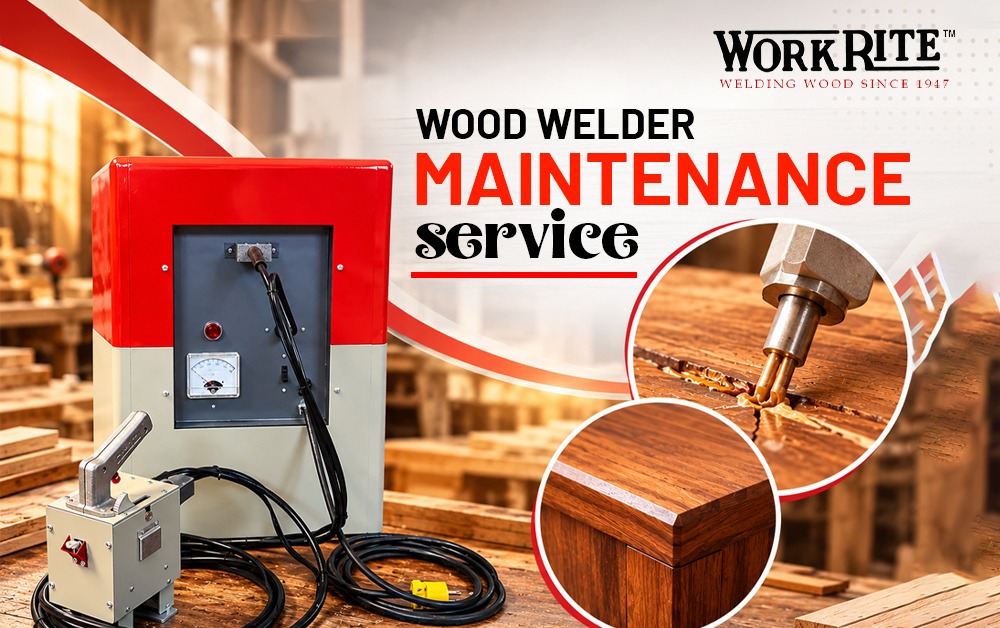
Wood welder maintenance service is essential for woodworking manufacturers that rely on radio frequency (RF) wood welding machines to maintain consistent bonding quality, improve production efficiency, and reduce unexpected equipment downtime. Industrial wood welding machines use high-frequency energy and controlled pressure to accelerate adhesive curing between compatible wood components. To achieve reliable results, these machines require proper inspection, regular servicing, and timely troubleshooting.
For furniture manufacturers, cabinet makers, door manufacturers, and industrial woodworking facilities, machine performance directly affects production schedules and finished-product quality. When an RF wood welding machine develops electrical problems, mechanical wear, inconsistent pressure, or control-system faults, manufacturers may experience longer processing cycles, irregular adhesive curing, and unnecessary production interruptions. Without an appropriate maintenance plan, small equipment problems can develop into expensive repairs and prolonged downtime.
A professional approach to wood welder maintenance service helps manufacturers identify potential equipment issues, maintain safe operating conditions, and protect their machinery investment. Preventive maintenance also allows production managers to schedule inspections, monitor machine performance, and address developing faults before they significantly affect manufacturing operations.
Workrite Wood Welder focuses on industrial wood welding technology for woodworking applications. Understanding how RF equipment operates, which components require attention, and when professional servicing is necessary can help manufacturers make informed decisions about maintaining their wood bonding equipment.
Why Is Wood Welder Maintenance Important for Industrial Production?
Industrial Wood Welder Maintenance Service machines are designed to support efficient adhesive curing and repeatable bonding processes. However, consistent performance depends on the condition of the machine, the materials being processed, the adhesive selected, and the operating parameters used during production. Regular maintenance helps manufacturers identify equipment-related problems before they compromise production quality or interrupt normal operations.
One of the primary reasons to prioritize wood welder maintenance service is to reduce unexpected machine failures. Electrical connections, pressure mechanisms, sensors, cooling arrangements, and control components can require attention as equipment accumulates operating hours. Identifying deterioration early allows maintenance personnel to plan appropriate corrective work instead of responding only after a breakdown occurs.
Maintenance also contributes to product consistency. When machine components operate according to their intended specifications, manufacturers can better control the conditions needed for reliable adhesive curing. Although maintenance alone cannot correct every bonding problem, it helps eliminate equipment-related causes that may contribute to inconsistent results.
Understanding How an Industrial RF Wood Welding Machine Works
Before developing a maintenance plan, it is important to understand the technology behind an industrial Wood Welder Maintenance Service. RF wood welding equipment uses radio frequency electromagnetic energy to generate heat within suitable adhesive-containing wood assemblies. This process can accelerate adhesive curing and reduce the waiting time associated with conventional bonding methods.
During a typical cycle, the operator prepares the wood surfaces, applies a compatible adhesive, positions the components, and applies the required pressure. The RF system then delivers high-frequency energy to the bonding area. In many industrial applications, equipment operates at a nominal frequency of 27.12 MHz, although the correct frequency and operating specifications depend on the machine design.
The generated heat helps accelerate curing within the adhesive layer. Once the specified process is complete, the components are released according to the operating procedure and evaluated for bonding quality. Correct adhesive selection, wood moisture conditions, joint design, pressure, energy input, and cycle time all influence the final result.
Essential Components That Require Regular Wood Welder Maintenance
1. RF Generator and High-Frequency System Maintenance
The RF generator is one of the most important components of an industrial Wood Welder Maintenance Service because it supplies the energy required for the bonding process. If the generator or associated electrical components develop a fault, the machine may experience operating interruptions, fault alarms, or inconsistent processing performance.
Regular inspection should follow the manufacturer’s maintenance instructions and may include reviewing fault indicators, checking approved connections, evaluating system performance, and investigating unusual operating behavior. Qualified technicians should determine whether an apparent bonding problem originates in the RF system or from another factor, such as adhesive preparation or material variation.
Wood welder maintenance service involving RF generator components requires appropriate technical knowledge because these systems may contain high-voltage electrical assemblies. Operators should not open energized cabinets, adjust internal RF components, or attempt unauthorized repairs. Proper isolation and manufacturer-approved servicing procedures are essential for safe maintenance.
2. Electrical Connections and Power Supply Inspection
Electrical components support the operation of the generator, machine controls, motors, sensors, and other equipment assemblies. Loose connections, damaged cables, deteriorated insulation, or abnormal heating can affect reliability and create safety risks.
A qualified technician can inspect electrical connections Wood Welder Maintenance Service, grounding arrangements, protective devices, wiring, and control-panel components according to the equipment’s technical documentation. Any suspected electrical fault should be investigated promptly, particularly when accompanied by unusual sounds, burning odors, repeated electrical trips, or visible damage.
Manufacturers should also ensure that maintenance personnel follow the required electrical isolation and lockout procedures. Routine cleaning and visual checks performed by operators must remain within the activities permitted by the manufacturer. Internal electrical repairs should be left to authorized and appropriately trained personnel.
3. Hydraulic or Pneumatic Pressure System Maintenance
The pressure system helps hold wood components together during adhesive curing. Depending on the machine design, it may use hydraulic cylinders, pneumatic cylinders, valves, regulators, mechanical linkages, or other pressure-control components.
When the pressure system does not operate correctly, components may shift, clamping may become inconsistent, or the finished joints may fail to meet quality requirements. Possible warning signs include visible leaks, unusual movement, inconsistent pressure readings, and changes in the machine’s normal operating cycle.
Maintenance inspections should follow the manufacturer’s recommendations and address worn seals, damaged hoses, loose fittings, and other relevant components. Pressure settings should be verified against approved operating specifications rather than increased or decreased without a proper diagnosis.
Maintaining the pressure assembly helps support repeatable positioning and controlled bonding conditions. It is particularly important for manufacturers producing large quantities of frames, panels, cabinet components, and other assemblies that require consistent joint strength.
4. Control Panel, Sensors, and Automation Systems
Industrial Wood Welder Maintenance Service equipment may use electronic controls, programmable logic controllers, sensors, timers, and operator interfaces to manage the production cycle. These systems help operators monitor machine status, select approved settings, and identify operating faults.
Fault messages, sensor errors, inconsistent cycle timing, or unexpected shutdowns may indicate a problem that requires investigation. Maintenance personnel should review error records, inspect relevant components, and verify control functions according to the manufacturer’s instructions.
Control-system adjustments should only be made by authorized personnel who understand the machine’s operating requirements. Safety interlocks must never be bypassed to keep production running. If a protective device fails, the machine should remain out of service until the problem has been corrected and the required safety checks have been completed.
5. Mechanical Components and Machine Alignment
Mechanical components help maintain correct positioning, smooth movement, and stable operation throughout the bonding cycle. Depending on the equipment, these may include guides, moving platens, hinges, fasteners, supports, and other machine-specific assemblies.
Over time, heavy production use may contribute to component wear or misalignment. Such problems can affect workpiece positioning, create uneven pressure, or make machine operation less predictable.
Routine inspections should identify visible damage, loose fasteners, abnormal movement, and other conditions specified in the service manual. Lubrication should only be applied where required and with the products recommended by the manufacturer. Proper mechanical maintenance supports dependable operation and helps prevent avoidable damage to associated components.
6. Cooling, Ventilation, and General Cleanliness
Industrial equipment may require suitable ventilation or cooling to operate within its intended temperature range. Dust accumulation, blocked ventilation openings, or neglected cooling components can interfere with heat management, depending on the machine design.
Wood Welder Maintenance Service facilities should keep the surrounding area clean and inspect accessible ventilation openings according to the manufacturer’s instructions. Adhesive residue, wood dust, and other debris should be removed using approved cleaning methods.
Sensitive electrical assemblies should not be exposed to unsuitable liquids, solvents, or compressed-air cleaning methods that could damage components or push debris into protected areas. Any maintenance involving internal machine assemblies should be completed by qualified personnel following the appropriate safety procedures.
Common Signs Your Wood Welding Machine Needs Professional Servicing
Recognizing early warning signs helps manufacturers investigate problems before they cause extensive downtime. One important sign is inconsistent bonding quality. If joints show unexpected differences in strength or curing, the machine’s operating condition should be reviewed alongside adhesive selection, wood moisture, surface preparation, pressure, and cycle settings.
Another warning sign is a change in normal production time. When a Wood Welder Maintenance Service machine requires longer cycles or cannot achieve previously established process results, manufacturers should investigate the cause rather than immediately changing operating parameters. The problem may involve material variation, an unsuitable adhesive, incorrect process settings, or an equipment fault.
Repeated alarms, unexpected shutdowns, irregular mechanical movement, and control-system errors also indicate that further investigation may be necessary. Operators should record the symptoms, note when the problem occurs, and follow the approved shutdown procedure if the machine cannot operate normally.
Preventive Maintenance Schedule for Industrial Wood Welding Machines
A structured preventive maintenance schedule helps woodworking manufacturers monitor equipment condition and plan servicing around production requirements. The appropriate schedule depends on machine specifications, operating hours, environmental conditions, workload, and manufacturer recommendations.
Daily Operator Checks
Before production begins, trained operators should perform the visual checks permitted by the machine manual. These may include reviewing the machine’s external condition, checking for visible damage or leaks, confirming that accessible work areas are clean, and observing the control panel for warning indicators.
Operators should also report unusual noises, recurring alarms, inconsistent movements, or changes in the normal production cycle. Any required safety checks must be completed before the equipment is used.
Scheduled Preventive Inspections
Periodic inspections should address the components and systems identified in the manufacturer’s maintenance plan. Depending on the machine, these may include electrical connections, RF generator performance, pressure mechanisms, sensors, control systems, cooling arrangements, and safety devices.
Inspection intervals should be based on the manufacturer’s specifications and actual operating conditions. High production volumes, demanding environments, or repeated faults may justify additional attention from qualified technicians.
Professional Servicing and Repairs
More detailed servicing may be required when a machine develops a fault, shows persistent performance changes, undergoes a major repair, or reaches a manufacturer-defined maintenance interval.
Qualified technicians should diagnose the issue, determine the required corrective work, and use compatible replacement parts. Following maintenance, the equipment should undergo appropriate functional and safety verification before returning to normal production.
Maintenance Documentation
A maintenance log helps businesses track inspections, repairs, replaced components, recurring faults, and relevant machine adjustments. These records provide useful information when evaluating machine performance and planning future servicing.
Documenting maintenance activities also helps production managers identify recurring problems and determine whether operator training, process adjustments, or additional technical support may be necessary.
How Wood Welder Maintenance Service Improves Production Efficiency
Reducing Unplanned Downtime
Unexpected machine failures can interrupt manufacturing schedules, delay customer orders, and reduce overall equipment availability. Preventive maintenance helps identify developing problems and gives businesses an opportunity to arrange repairs before a failure causes a major disruption.
Although no maintenance program can eliminate all equipment failures, regular inspections and timely corrective action can help reduce avoidable interruptions. Manufacturers can also plan servicing during suitable production windows, making equipment care easier to coordinate with operational requirements.
Maintaining Consistent Adhesive Curing
Consistent bonding requires appropriate adhesive properties, prepared surfaces, suitable material conditions, and controlled processing parameters. Machine maintenance helps ensure that equipment-related factors remain within the intended operating range.
When electrical, mechanical, pressure, and control systems function correctly, manufacturers have a better foundation for repeatable bonding results. Quality-control testing is still necessary because variations in adhesive, wood moisture, joint preparation, and material characteristics can affect the finished bond independently of machine condition.
Supporting Long-Term Equipment Reliability
Replacing an industrial wood welding machine can represent a significant investment. Proper maintenance helps protect that investment by identifying developing faults, addressing wear, and reducing the risk of avoidable secondary damage.
Equipment life depends on many factors, including machine design, production intensity, operating conditions, and the availability of suitable replacement components. Following recommended service procedures and avoiding unauthorized adjustments can help manufacturers maintain equipment in an appropriate operating condition.
Improving Maintenance Cost Management
Reactive repairs can create unpredictable expenses, particularly when a breakdown requires urgent technical support or interrupts a production order. Planned inspections provide a more organized approach to identifying maintenance needs and budgeting for servicing.
Keeping accurate records helps businesses evaluate recurring repair costs, track component performance, and decide when a repair or replacement is appropriate. This information supports more informed equipment-management decisions over time.
How to Choose the Right Wood Welder Maintenance Service Provider
Selecting a qualified maintenance provider is important for businesses that depend on RF wood welding equipment. The provider should understand the machine’s electrical, mechanical, control, and RF systems, along with the operating conditions required for reliable wood bonding.
Before arranging servicing, manufacturers should confirm that the technician has the appropriate training and experience with the specific machine model. RF generator maintenance may require specialized expertise beyond general industrial equipment repair, so relevant qualifications and manufacturer-approved procedures are important considerations.
The service provider should also explain the diagnostic process, the likely scope of repairs, the compatibility of replacement parts, and the checks required before the equipment returns to production. Clear documentation helps manufacturers understand what was inspected, what was repaired, and whether further attention is recommended.
Common Wood Welder Maintenance Mistakes to Avoid
One common mistake is waiting for the machine to fail before scheduling an inspection. This approach can turn a small developing fault into an unexpected production problem. A preventive maintenance schedule provides a more systematic way to monitor machine condition and address concerns early.
Another mistake is changing RF power, pressure, or processing time without understanding why the bonding results have changed. These adjustments may not correct the underlying problem and could introduce additional inconsistencies. Manufacturers should investigate the equipment, materials, adhesive, and process conditions before making approved adjustments.
Why Workrite Wood Welder for Industrial Wood Welding Technology?
Workrite Wood Welder provides information about industrial wood welding equipment and RF bonding technology for woodworking applications. Manufacturers evaluating equipment requirements can explore the company’s website to learn more about its wood welding solutions and determine which equipment may suit their production needs.
When reviewing maintenance requirements, businesses should consider the specific design of their wood welding machine, the manufacturer’s recommended servicing procedures, and the technical expertise required for inspections or repairs. Not every machine uses the same RF generator, pressure arrangement, control system, or replacement components, so maintenance should always be equipment-specific.
For businesses experiencing recurring bonding problems or unexpected machine interruptions, a structured troubleshooting process can help distinguish equipment faults from adhesive, material, and operating issues. Reviewing maintenance documentation and seeking appropriately qualified technical assistance can help manufacturers determine the next steps.
Conclusion: Invest in Reliable Wood Welder Maintenance Service
Wood welder maintenance service is an important part of managing industrial RF wood welding equipment. Regular inspections, timely repairs, proper cleaning, and adherence to manufacturer recommendations help businesses identify potential problems and maintain appropriate operating conditions.
For woodworking manufacturers, an effective maintenance strategy can support reduced unplanned downtime, more consistent production, better equipment reliability, and improved maintenance planning. Paying attention to RF generator performance, electrical systems, pressure mechanisms, controls, mechanical components, and safety devices provides a more complete approach to equipment care.
However, maintenance must be combined with correct adhesive selection, suitable material preparation, controlled processing parameters, and ongoing quality checks. These factors work together to determine the quality and consistency of the finished wood joints.
FAQs About Wood Welder Maintenance Service
1. What Is Wood Welder Maintenance Service?
Wood welder maintenance service involves inspecting, servicing, and troubleshooting industrial wood welding machines to maintain reliable performance. It may include checking RF generators, electrical connections, pressure systems, control panels, and safety components. Regular maintenance helps manufacturers identify potential problems early, reduce unexpected downtime, maintain consistent adhesive curing, and support efficient woodworking production.
2. How Often Should an Industrial Wood Welding Machine Be Serviced?
An industrial wood welding machine should be serviced according to the manufacturer’s maintenance recommendations, operating hours, and production conditions. Daily visual inspections can help operators identify visible damage or unusual behavior, while qualified technicians should perform scheduled technical inspections. Machines operating under demanding production conditions may require additional maintenance to maintain reliable performance and safe operation.
3. What Are the Common Signs That a Wood Welder Needs Maintenance?
Common warning signs include inconsistent bonding results, repeated machine alarms, unexpected shutdowns, unusual mechanical noises, and changes in normal production cycle times. Electrical warning signs, such as burning odors or damaged wiring, require immediate attention. Identifying these problems early helps manufacturers arrange professional inspection, prevent further equipment damage, and reduce unnecessary production interruptions.
4. How Does Preventive Maintenance Improve Wood Welding Machine Performance?
Preventive maintenance helps keep industrial wood welding machines operating according to their intended specifications. Regular inspections can identify developing electrical, mechanical, and control-system problems before they cause major disruptions. This approach supports equipment reliability, improves production planning, and helps maintain consistent bonding conditions. However, adhesive selection, wood moisture, surface preparation, and operating parameters also influence bonding quality.
5. How Can I Choose the Right Wood Welder Maintenance Service Provider?
Choose a wood welder maintenance service provider with relevant experience in industrial RF equipment, electrical systems, machine controls, and mechanical components. Confirm that technicians are qualified to service your specific machine model and follow appropriate safety procedures. Ask about diagnostic methods, replacement parts, service documentation, and technical support availability to ensure the maintenance approach suits your production requirements.
